
V
R
I
N
D
A
V
A
N

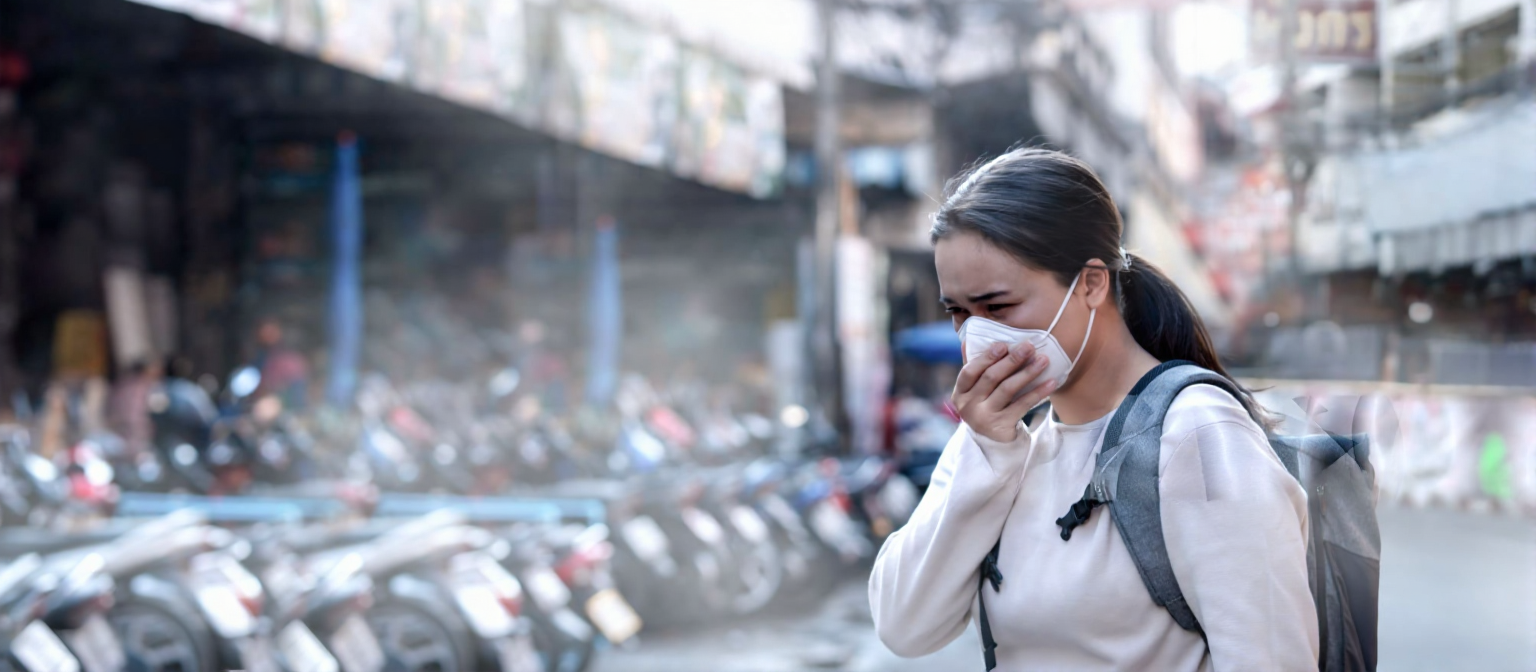
Kalyan air pollution has become a serious health concern for residents in recent years. Rapid urban development, increasing traffic, ongoing construction activity, dust exposure, and seasonal weather changes have significantly reduced air quality in many parts of the city. As a result, more people are experiencing breathing difficulties, persistent cough, throat irritation, sinus problems, and recurring respiratory infections. Ignoring these early symptoms can lead to long-term lung damage and chronic respiratory conditions.
Doctors at Vrindavan Hospital frequently see patients whose lung health has been affected by prolonged exposure to polluted air. Early awareness and timely medical care are essential to prevent complications and protect long-term respiratory health.
Why Kalyan Air Pollution Is Increasing Each Year
Kalyan air pollution continues to rise due to several local factors that directly affect daily life.
Vehicle Emissions in High-Traffic Areas
The growing number of cars, two-wheelers, and commercial vehicles releases fine particulate matter such as PM2.5 and PM10. These microscopic particles penetrate deep into the lungs and trigger inflammation and breathing problems.
Construction Dust and Infrastructure Projects
Ongoing construction work releases large amounts of dust into nearby residential areas, increasing the risk of throat irritation, coughing, and sinus issues.
Waste Burning and Industrial Smoke
Burning garbage and emissions from small industrial units release toxic fumes that significantly worsen air quality.
Weather Conditions That Trap Pollution
During winter months, temperature inversion keeps pollutants closer to the ground, increasing exposure even indoors.
For official air-quality standards and pollution updates in India, refer to the Central Pollution Control Board:
Common Symptoms Caused by Kalyan Air Pollution
Exposure to polluted air often begins with mild discomfort but gradually worsens if ignored.
Early Lung Symptoms Caused by Air Pollution in Kalyan
These early warning signs indicate that the respiratory system is reacting to poor air quality.
Persistent Cough and Throat Irritation
A dry or recurring cough lasting more than two weeks may signal airway inflammation caused by polluted air.
Shortness of Breath During Normal Activities
Difficulty breathing while walking or climbing stairs is an important warning sign that should not be ignored.
Chest Tightness or Wheezing
Air pollutants narrow the airways, especially in people with asthma or allergies, leading to wheezing and chest discomfort.
Frequent Sinus Infections and Headaches
Poor air quality irritates sinus passages, causing congestion, facial pressure, and headaches.
Fatigue and Reduced Stamina
Reduced oxygen intake due to lung irritation often results in constant tiredness and low energy levels.
Who Is Most Affected by Kalyan Air Pollution
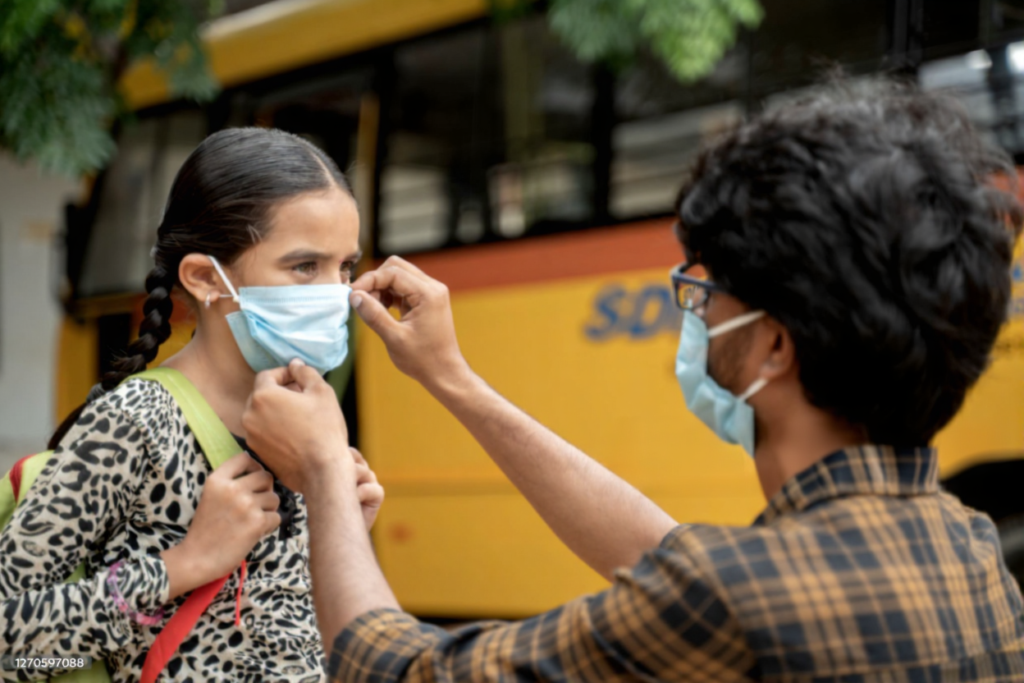
Certain groups are more vulnerable to the harmful effects of polluted air:
- Children, whose lungs are still developing
- Older adults, due to reduced immunity
- People with asthma, COPD, or heart conditions
- Pregnant women, as poor air quality may affect maternal health
How to Protect Yourself from Rising Kalyan Air Pollution
Taking preventive measures can significantly reduce the impact of air pollution on lung health.
Limit Outdoor Exposure During Peak Pollution Hours
Avoid outdoor activities early in the morning and late in the evening when pollution levels are highest.
Use a Certified N95 Mask
N95 masks help reduce inhalation of harmful airborne particles.
Keep Indoor Air Clean
Close windows on high-AQI days and use air purifiers if possible.
Stay Hydrated and Practice Steam Inhalation
Proper hydration and steam inhalation help soothe irritated airways.
Schedule Regular Lung Health Checkups
Early medical evaluation can prevent long-term respiratory damage.
When You Should Visit a Doctor Immediately for Kalyan Air Pollution Symptoms
Consult a doctor at Vrindavan Hospital if you experience:
- Breathlessness even at rest
- Severe or worsening cough
- Chest pain or tightness
- Recurrent respiratory infections
- Sudden asthma flare-ups
For expert respiratory and general medical care, visit: vrindavanhospitalkalyan
Conclusion on Kalyan Air Pollution and Lung Health
Kalyan air pollution is no longer just an environmental issue—it is a growing health risk. Persistent cough, breathlessness, sinus problems, and fatigue should never be ignored. Understanding the causes, recognizing early symptoms, and seeking timely medical attention can protect lung health and prevent serious complications. Vrindavan Hospital remains committed to providing accurate diagnosis, ethical treatment, and patient-focused care for pollution-related health concerns.