
V
R
I
N
D
A
V
A
N

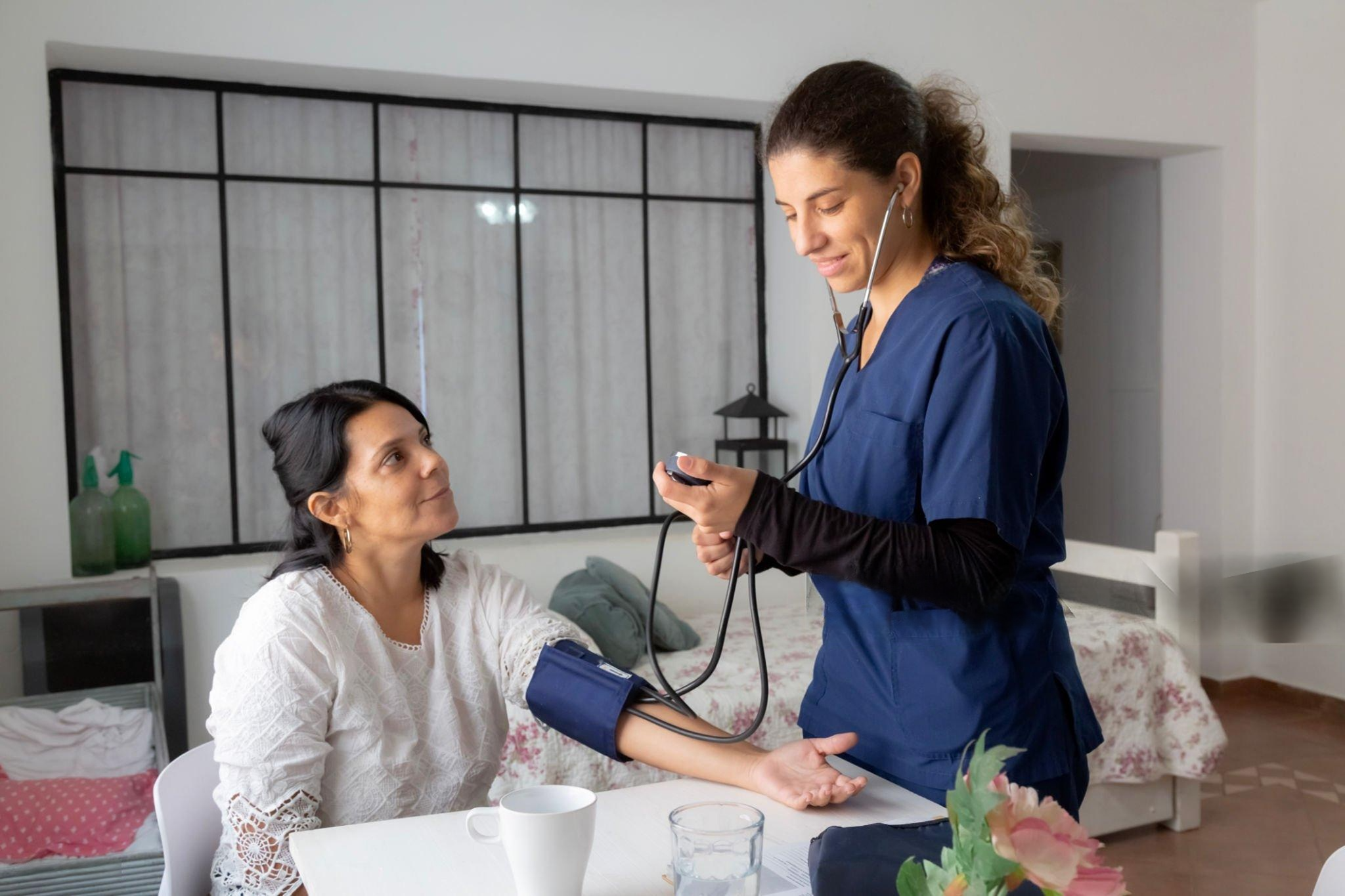
Blood pressure in young adults Kalyan has become a growing health concern in recent years. Earlier considered a condition affecting only older adults, high and low blood pressure are now commonly diagnosed in people in their 20s and 30s. Fast-paced lifestyles, work pressure, unhealthy food habits, lack of exercise, and poor sleep are major reasons behind this trend. Unfortunately, many young adults ignore early warning signs, assuming blood pressure problems are temporary or harmless.
Doctors at Vrindavan Hospital regularly see young patients with undiagnosed blood pressure issues. Early detection and timely lifestyle changes can prevent serious long-term complications.
Why Blood Pressure in Young Adults Kalyan Is Increasing
Blood pressure in young adults Kalyan is increasing mainly because of modern lifestyle changes and daily stress factors.
Stress and Mental Pressure in Young Adults
Job stress, long working hours, financial pressure, and continuous screen exposure increase stress hormones, which directly raise blood pressure levels.
Unhealthy Diet and Excess Salt Intake
Frequent consumption of fast food, packaged snacks, and restaurant meals adds excessive salt and unhealthy fats, leading to high blood pressure over time.
Lack of Physical Activity
Sedentary routines and minimal exercise weaken heart health and contribute to weight gain, increasing blood pressure risk in young adults.
Poor Sleep Quality
Irregular sleep schedules and lack of proper rest disturb hormonal balance and affect blood pressure control.
Smoking and Alcohol Consumption
Tobacco and alcohol damage blood vessels and significantly increase the risk of hypertension in young adults.
Common Symptoms of Blood Pressure in Young Adults Kalyan

Blood pressure problems are often called a “silent condition,” but certain symptoms should not be ignored.
Early Warning Signs to Watch For
These symptoms indicate that blood pressure in young adults may be outside the normal range.
Headaches and Dizziness
Frequent headaches, giddiness, or a spinning sensation may indicate abnormal blood pressure levels.
Chest Discomfort and Palpitations
Chest tightness, rapid heartbeat, or irregular palpitations require medical evaluation.
Fatigue and Weakness
Persistent tiredness without a clear reason can be linked to blood pressure imbalance.
Blurred Vision or Nosebleeds
Sudden spikes in blood pressure may cause visual disturbances or nosebleeds.
Who Is at Higher Risk of Developing Blood Pressure Problems
Some young adults are more prone to developing blood pressure problems:
- Family history of hypertension
- Obesity or inactive lifestyle
- High stress levels
- Smoking or regular alcohol use
- Diabetes or thyroid disorders
Health Risks of Ignoring Blood Pressure Problems
Ignoring blood pressure in young adults can lead to serious health complications later in life, including heart disease, stroke, kidney damage, and vision problems. Early-onset hypertension significantly increases lifetime cardiovascular risk.
For general guidance on blood pressure and heart health, refer to the World Health Organization (WHO):
How to Manage Blood Pressure in Young Adults Kalyan
Simple lifestyle changes can help manage and prevent blood pressure problems effectively.
Follow a Balanced Diet
Reduce salt intake, avoid processed foods, and include fruits, vegetables, and whole grains in daily meals.
Exercise Regularly
At least 30 minutes of walking, jogging, yoga, or physical activity helps regulate blood pressure.
Manage Stress Properly
Meditation, breathing exercises, and work-life balance play a key role in stress control.
Maintain a Healthy Sleep Routine
Aim for 7–8 hours of quality sleep every night to support heart health.
Monitor Blood Pressure Regularly
Routine BP checks help detect problems early, even before symptoms appear.
When You Should See a Doctor
Young adults should consult a doctor if they experience frequent dizziness, chest pain, persistent headaches, shortness of breath, or consistently abnormal blood pressure readings. Early medical evaluation prevents long-term complications.
For expert diagnosis and care, visit :Vrindavan Hospital Kalyan
Conclusion
Blood pressure in young adults is no longer rare and should not be ignored. Lifestyle habits, stress, and poor routines are pushing more young people toward hypertension and related problems. Recognizing early symptoms, adopting healthy habits, and seeking timely medical advice can protect long-term heart health. Vrindavan Hospital remains committed to providing accurate diagnosis, preventive care, and patient-focused treatment.