
V
R
I
N
D
A
V
A
N


STEP 1 — PROBLEM / AWARENESS
Why the Trend of Quick-Fix Beauty Treatments Is Increasing — And What Patients Often Don’t Realize
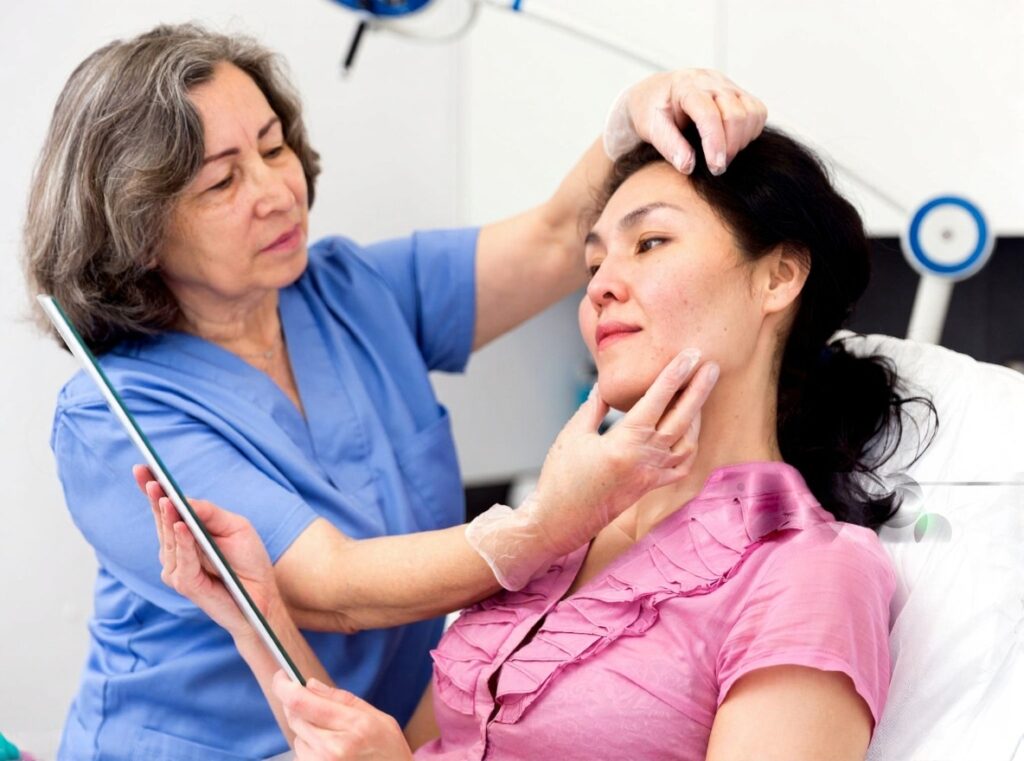
The debate between surgical and non-surgical treatments is growing as more people look for quick aesthetic improvements without understanding how Surgical Non-Surgical options truly differ. While quick-fix beauty procedures like fillers, Botox, lasers, and peels are popular, many patients underestimate their limitations and risks. Social media trends often mislead people into choosing the wrong treatment for their concern.
The Top 5 Most Requested Non-Surgical Procedures Today
- Botox for expression lines
- Dermal Fillers for volume and contouring
- Chemical Peels for pigmentation and texture
- Microneedling / RF Microneedling for collagen stimulation
- Laser Treatments for pigmentation, scars, and resurfacing
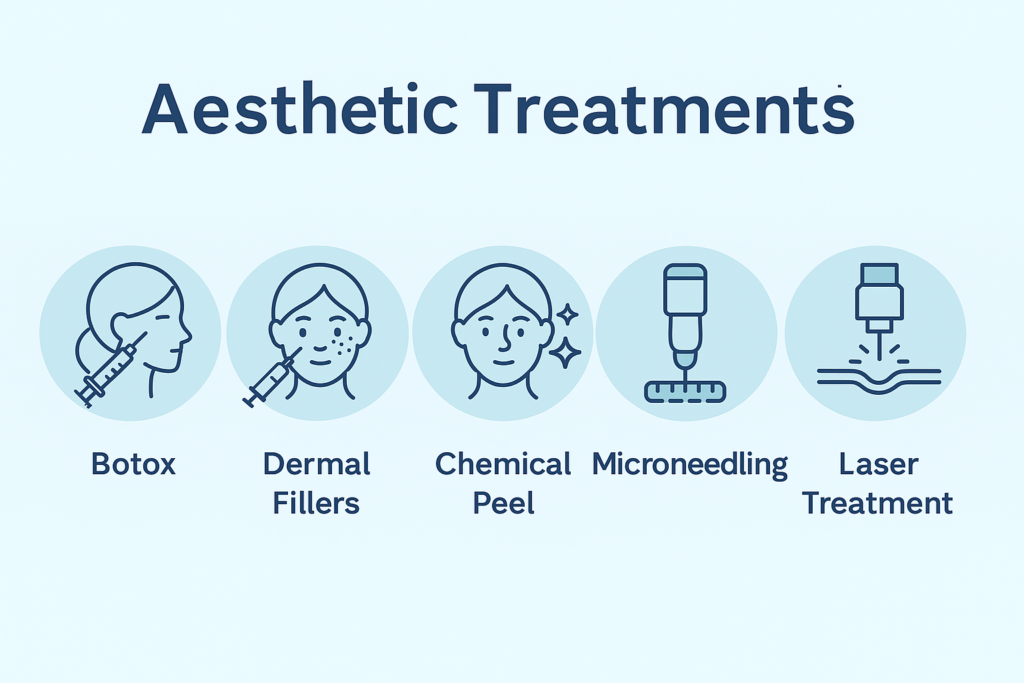
These treatments work — but only when chosen for the right concern and performed by qualified experts.
The 3 Biggest Misconceptions Patients Commonly Have
- Non-surgical treatments have no side effects
Every medical procedure has risks. Incorrect technique can cause swelling, uneven results, skin damage, or even vascular complications. - Non-surgical treatments work like surgery
They don’t.
Fillers cannot replace rhinoplasty.
Threads cannot replace a facelift.
Lasers cannot tighten loose skin the way surgery can. - Results are instant and permanent
Most non-surgical results fade over months and require maintenance.
The Biggest Mistake: Choosing Treatments Based on Social Media Trends
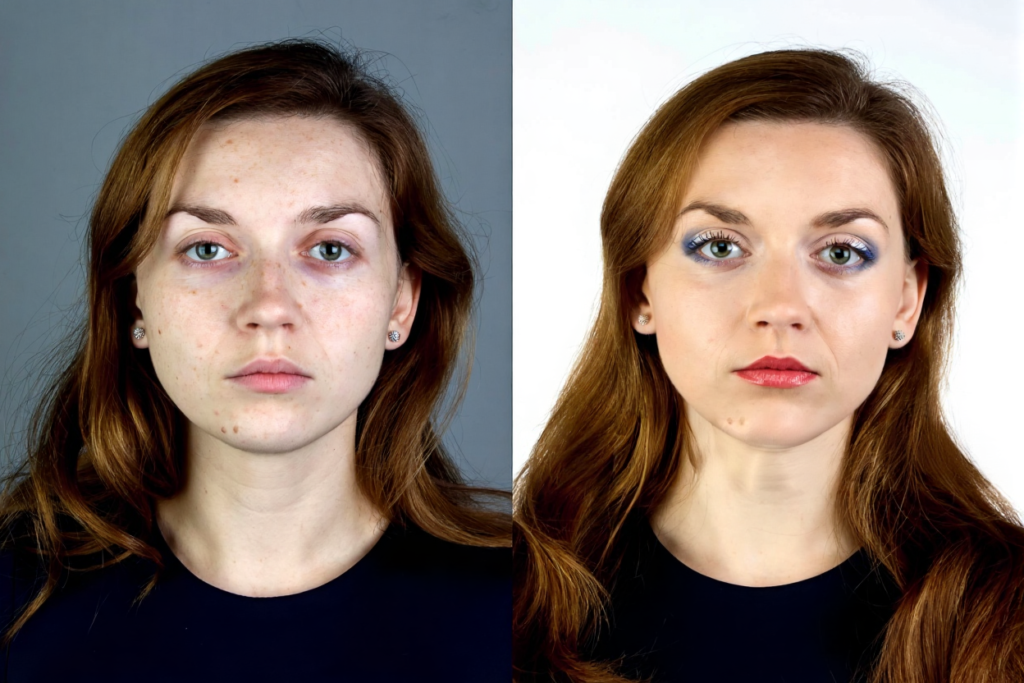
Patients bring celebrity pictures, filtered selfies, or influencer screenshots saying:
“I want cheeks like her.”
“I want this jawline.”
“I want this Korean-style V-shape.”
This approach backfires because what works for one face may be completely wrong for another.
Trend-chasing leads to overfilling, tissue damage, unnatural expressions, and long-term complications.
When Non-Surgical Treatments Fail — And Surgery Becomes the Only Right Choice
Some conditions cannot be corrected with non-surgical methods:
- Structural nose issues
- Significant sagging or jowls
- Loose neck skin
- Deep ligament laxity
- Stubborn fat deposits
Non-surgical enhances.
Surgery transforms.
STEP 2 — CAUSE / CONSIDERATION
How Doctors Determine What’s Best — Surgical or Non-Surgical
A responsible surgeon never jumps into a procedure.
They evaluate:
- Skin elasticity
- Bone structure
- Fat distribution
- Ligament support
- Facial proportions
- Age and long-term expectations
Non-Surgical = Surface-Level Improvements
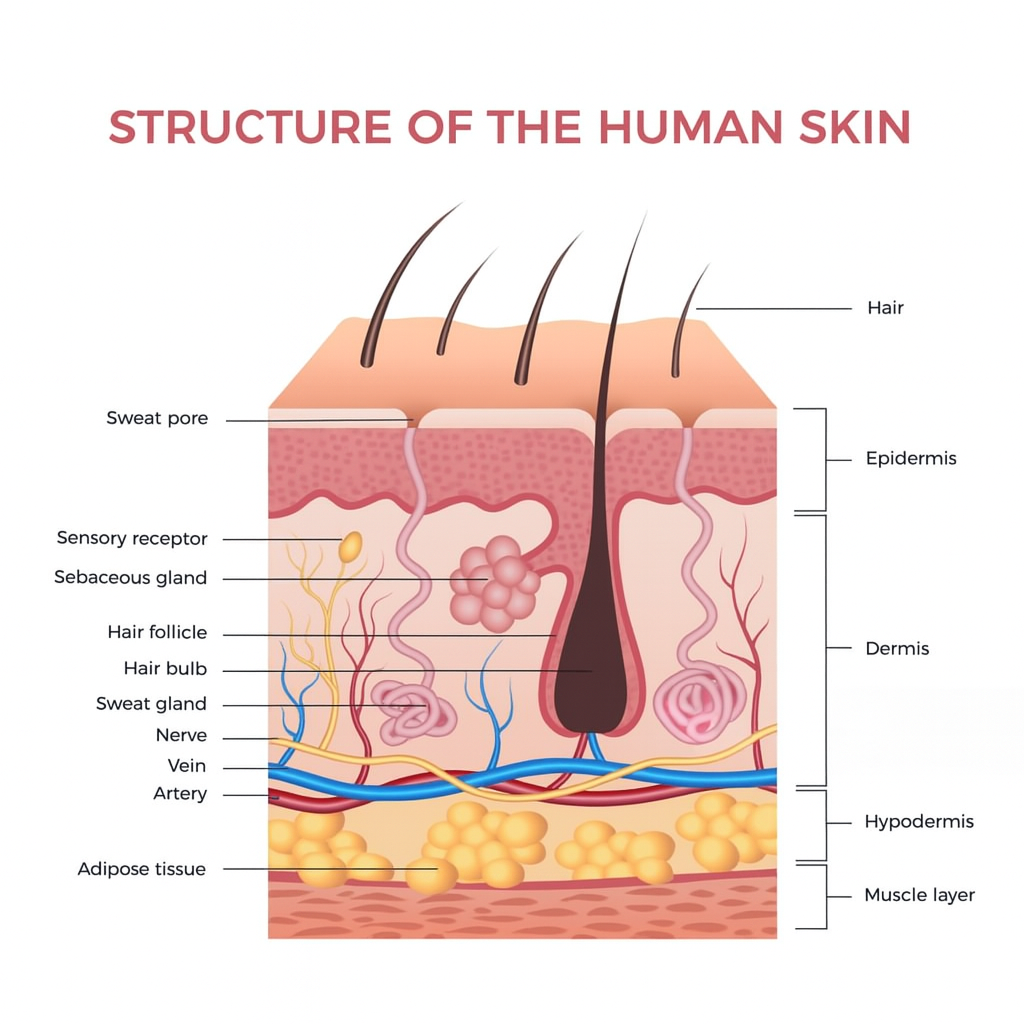
These help with texture, pigmentation, mild wrinkles, minimal volume loss, and small scars.
Surgical = Structural Correction
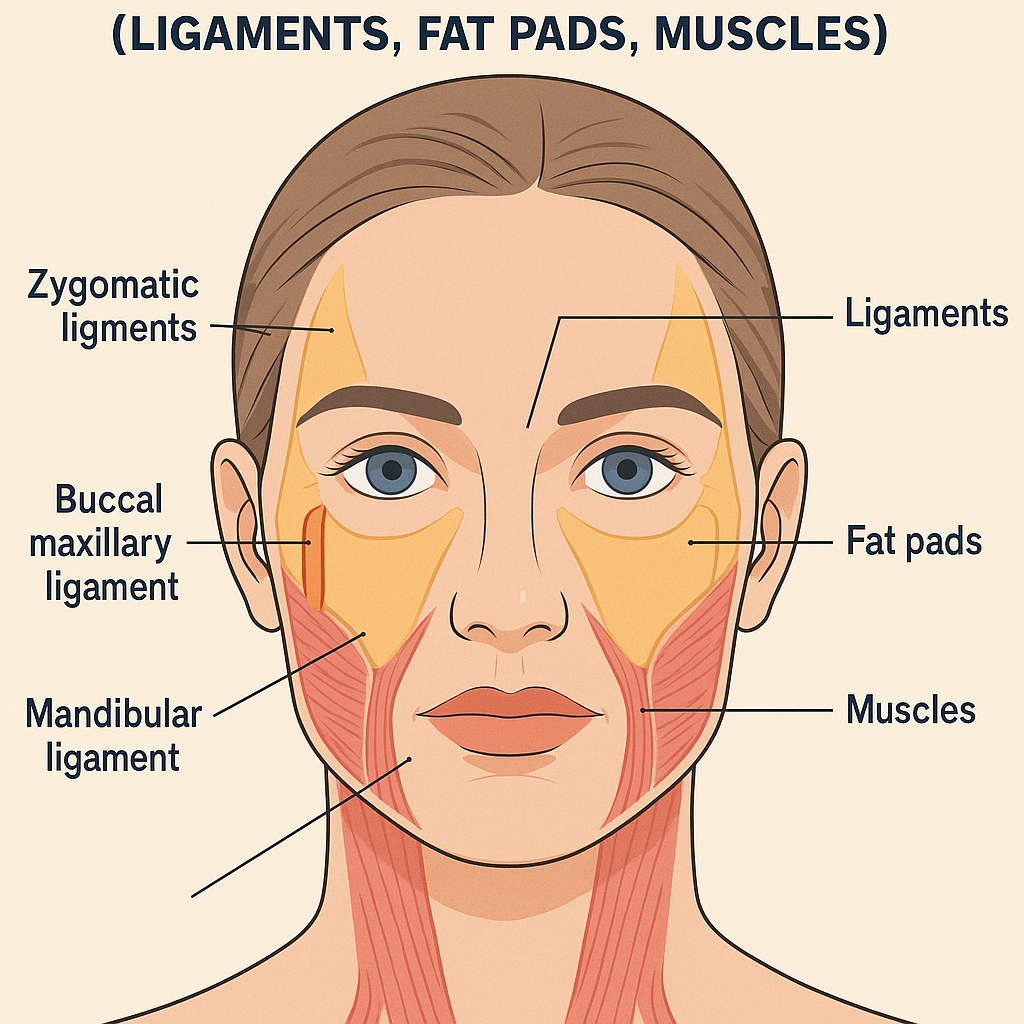
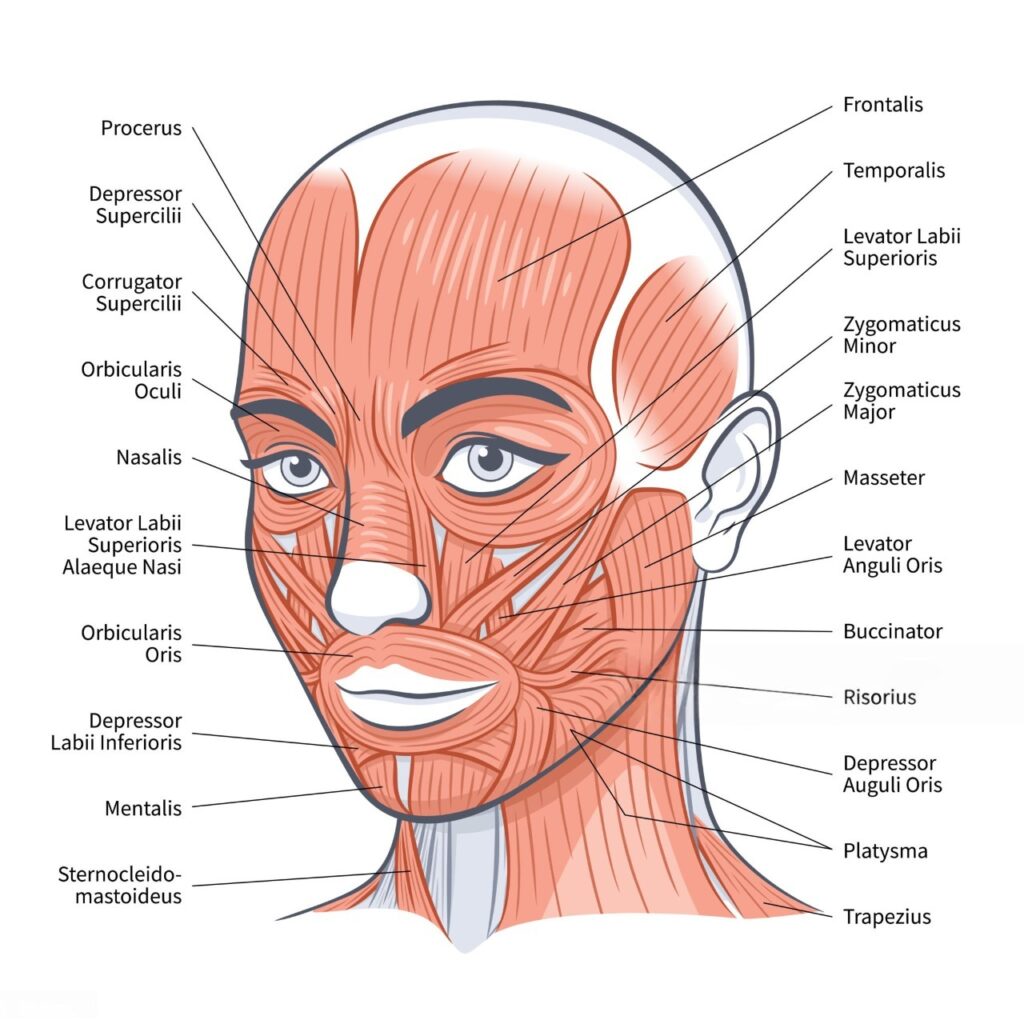
Surgery works on deeper layers — muscles, ligaments, fat pads, and sometimes bone.
It’s required for sagging, severe hollowness, structural deformities, or excess skin.
Surgery works on deeper layers — muscles, ligaments, fat pads, and sometimes bone, a fact also explained in the Johns Hopkins Facial Anatomy Guide.
👉 hopkinsmedicine
Age Makes a Big Difference: 25 vs 45-Year-Old Patients
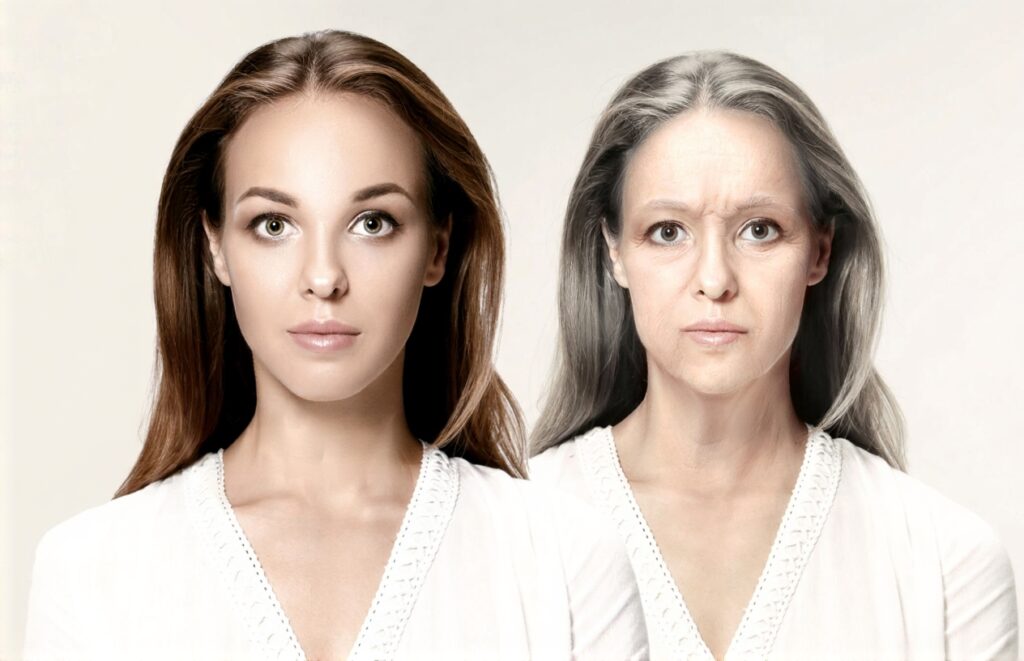
Patients in Their 20s (Around 25)
Common concerns: acne scars, pigmentation, uneven texture, early lines
Best suited for:
- Lasers
- Microneedling
- Peels
- Light Botox
- Minimal fillers
Patients in Their 40s (Around 45)
Common concerns: sagging, jowls, deep folds, neck laxity, under-eye hollowness
Often best treated with:
- Facelift
- Neck lift
- Eyelid surgery
Hidden Long-Term Risks of Repeated Non-Surgical Treatments
Overdoing treatments creates new problems:
- Excess fillers stretch tissues
- Threads leave scar tissue
- RF overuse can damage fat pads
- Wrong lasers cause pigmentation
- Repeated procedures make future surgery harder
This is why correct evaluation matters more than the procedure itself.
STEP 3 — IMPACT / COMPARE
Real Outcomes When the Right Guidance Changes Everything
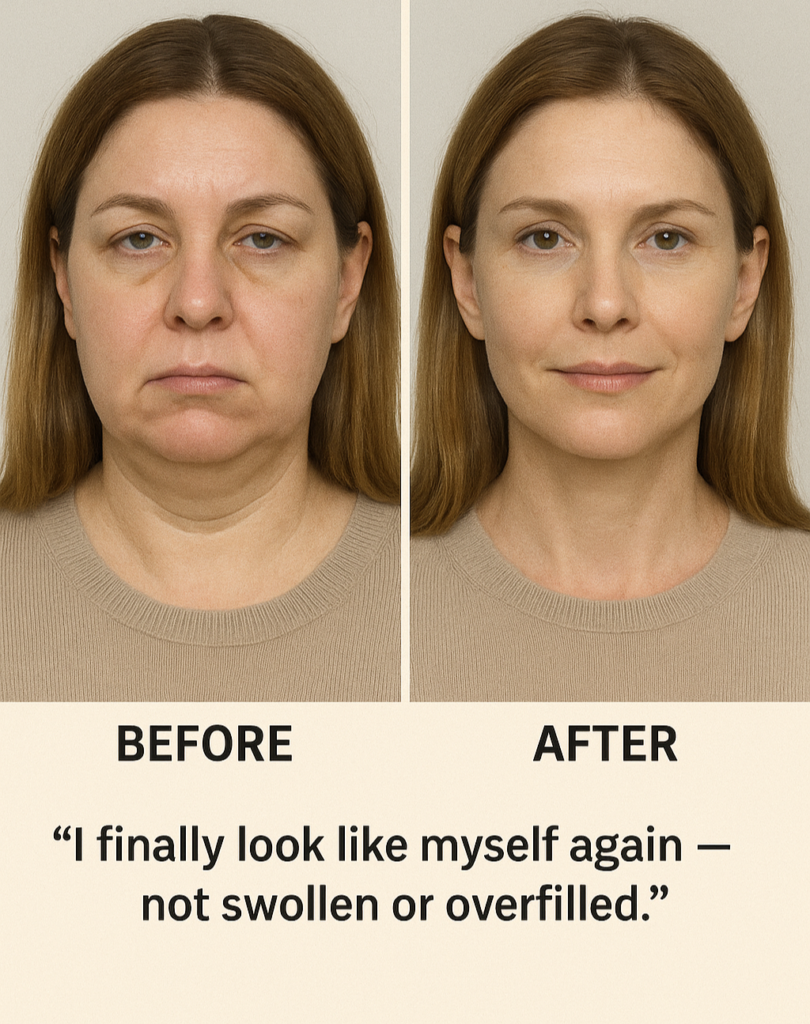
Case 1 — When Surgery Was the Only Correct Path
A woman in her early 40s tried fillers, threads, RF tightening, and peels for 3 years.
But her real issue was ligament laxity and midface descent, which no no- surgical method could fix.
A surgical midface lift + lower eyelid correction restored her natural facial shape.
Her reaction:
“I finally look like myself again — not swollen or overfilled.”
Case 2 — When Non-Surgical Prevented Surgery
A young man with acne scars believed he needed surgical scar revision.
But his scars were superficial; RF microneedling + fractional CO₂ laser gave excellent improvement, eliminating the need for surgery.
Key Indicators When Surgery Gives Better, More Natural Results
- Moderate to severe sagging
- Deep nasolabial folds
- Neck laxity
- Structural nasal deformities
- Stubborn fat deposits
- Deep under-eye hollows
The Instagram Face Problem
Filtered images create unrealistic beauty standards.
Real beauty is balanced, natural, expressive, and aligned with your own facial identity.
Enhancements should refine your face — not replace it.
CTA — Make Safe, Informed, and Confident Aesthetic Decisions
Before choosing any treatment, ask:
- Why this procedure for me?
- What results can I realistically expect?
- How long will it last?
- What are the risks?
- Are there better alternatives?
At Vrindavan Hospital, the approach is simple:
No pressure.
No unnecessary treatments.
Honest, ethical, patient-first guidance.
Your face is unique.
Your treatment plan should be too.