V
R
I
N
D
A
V
A
N


STEP 1 — PROBLEM / AWARENESS
Why the Trend of Quick-Fix Beauty Treatments Is Increasing — And What Patients Often Don’t Realize
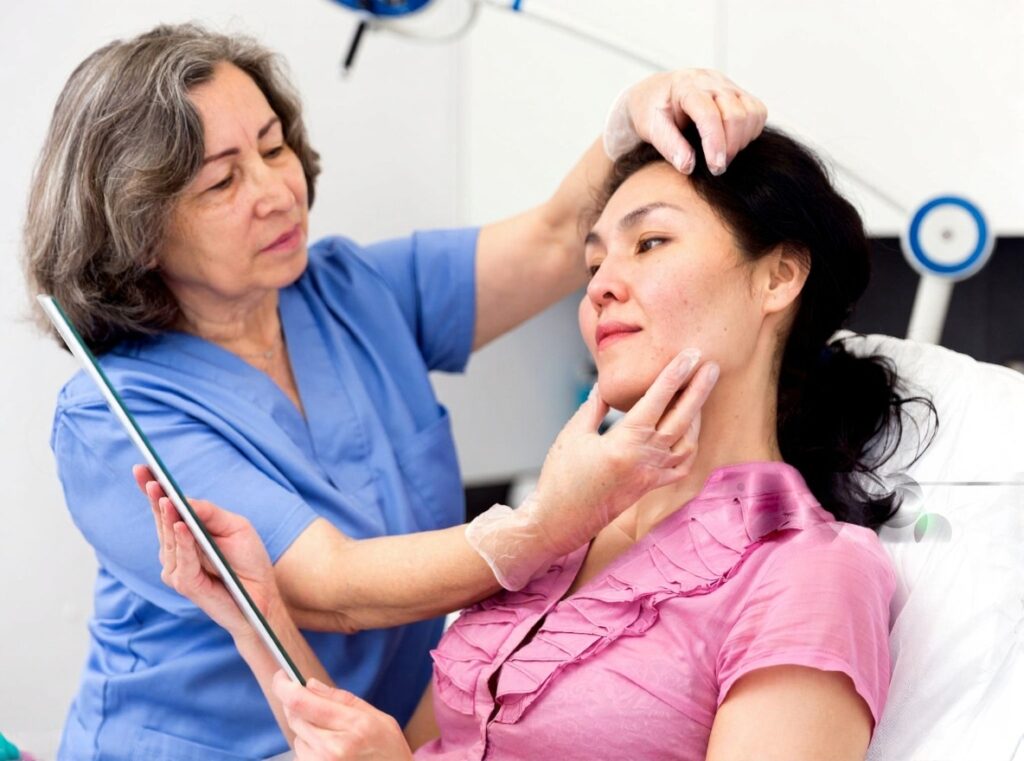
India has seen a massive rise in quick, lunch-break cosmetic procedures like Botox, fillers, chemical peels, lasers, and RF microneedling. People naturally prefer fast, convenient solutions with minimal downtime.
But behind the popularity lies a major issue:
Most patients today walk into clinics influenced not by medical understanding, but by Instagram filters, influencer promises, and trend-based aestheticsThis creates confusion and unrealistic expectations.
The Top 5 Most Requested Non-Surgical Procedures Today
- Botox for expression lines
- Dermal Fillers for volume and contouring
- Chemical Peels for pigmentation and texture
- Microneedling / RF Microneedling for collagen stimulation
- Laser Treatments for pigmentation, scars, and resurfacing
These treatments work — but only when chosen for the right concern and performed by qualified experts.
The 3 Biggest Misconceptions Patients Commonly Have
- “Non-surgical treatments have no side effects.”
Every medical procedure has risks. Incorrect technique can cause swelling, uneven results, skin damage, or even vascular complications. - “Non-surgical treatments work like surgery.”
They don’t.
Fillers cannot replace rhinoplasty.
Threads cannot replace a facelift.
Lasers cannot tighten loose skin the way surgery can. - “Results are instant and permanent.”
Most non-surgical results fade over months and require maintenance.
The Biggest Mistake: Choosing Treatments Based on Social Media Trends
Patients bring celebrity pictures, filtered selfies, or influencer screenshots saying:
“I want cheeks like her.”
“I want this jawline.”
“I want this Korean-style V-shape.”
This approach backfires because what works for one face may be completely wrong for another.
Trend-chasing leads to overfilling, tissue damage, unnatural expressions, and long-term complications.
When Non-Surgical Treatments Fail — And Surgery Becomes the Only Right Choice
Some conditions cannot be corrected with non-surgical methods:
- Structural nose issues
- Significant sagging or jowls
- Loose neck skin
- Deep ligament laxity
- Stubborn fat deposits
Non-surgical enhances.
Surgery transforms.
STEP 2 — CAUSE / CONSIDERATION
How Doctors Determine What’s Best — Surgical or Non-Surgical
A responsible surgeon never jumps into a procedure.
They evaluate:
- Skin elasticity
- Bone structure
- Fat distribution
- Ligament support
- Facial proportions
- Age and long-term expectations
Non-Surgical = Surface-Level Improvements
These help with texture, pigmentation, mild wrinkles, minimal volume loss, and small scars.
Surgical = Structural Correction
Surgery works on deeper layers — muscles, ligaments, fat pads, and sometimes bone.
It’s required for sagging, severe hollowness, structural deformities, or excess skin.
Age Makes a Big Difference: 25 vs 45-Year-Old Patients
Patients in Their 20s (Around 25)
Common concerns: acne scars, pigmentation, uneven texture, early lines
Best suited for:
- Lasers
- Microneedling
- Peels
- Light Botox
- Minimal fillers
Patients in Their 40s (Around 45)
Common concerns: sagging, jowls, deep folds, neck laxity, under-eye hollowness
Often best treated with:
- Facelift
- Neck lift
- Eyelid surgery
Hidden Long-Term Risks of Repeated Non-Surgical Treatments
Overdoing treatments creates new problems:
- Excess fillers stretch tissues
- Threads leave scar tissue
- RF overuse can damage fat pads
- Wrong lasers cause pigmentation
- Repeated procedures make future surgery harder
This is why correct evaluation matters more than the procedure itself.
STEP 3 — IMPACT / COMPARE
Real Outcomes When the Right Guidance Changes Everything
Case 1 — When Surgery Was the Only Correct Path
A woman in her early 40s tried fillers, threads, RF tightening, and peels for 3 years.
But her real issue was ligament laxity and midface descent, which no non-surgical method could fix.
A surgical midface lift + lower eyelid correction restored her natural facial shape.
Her reaction:
“I finally look like myself again — not swollen or overfilled.”
Case 2 — When Non-Surgical Prevented Surgery
A young man with acne scars believed he needed surgical scar revision.
But his scars were superficial; RF microneedling + fractional CO₂ laser gave excellent improvement, eliminating the need for surgery.
Key Indicators When Surgery Gives Better, More Natural Results
- Moderate to severe sagging
- Deep nasolabial folds
- Neck laxity
- Structural nasal deformities
- Stubborn fat deposits
- Deep under-eye hollows
The Instagram Face Problem
Filtered images create unrealistic beauty standards.
Real beauty is balanced, natural, expressive, and aligned with your own facial identity.
Enhancements should refine your face — not replace it.
CTA — Make Safe, Informed, and Confident Aesthetic Decisions
Before choosing any treatment, ask:
- Why this procedure for me?
- What results can I realistically expect?
- How long will it last?
- What are the risks?
- Are there better alternatives?
At Vrindavan Hospital, the approach is simple:
No pressure.
No unnecessary treatments.
Honest, ethical, patient-first guidance.
Your face is unique.
Your treatment plan should be too.